Kitchen & Cabinetry
Machines for Kitchen & Cabinetry.
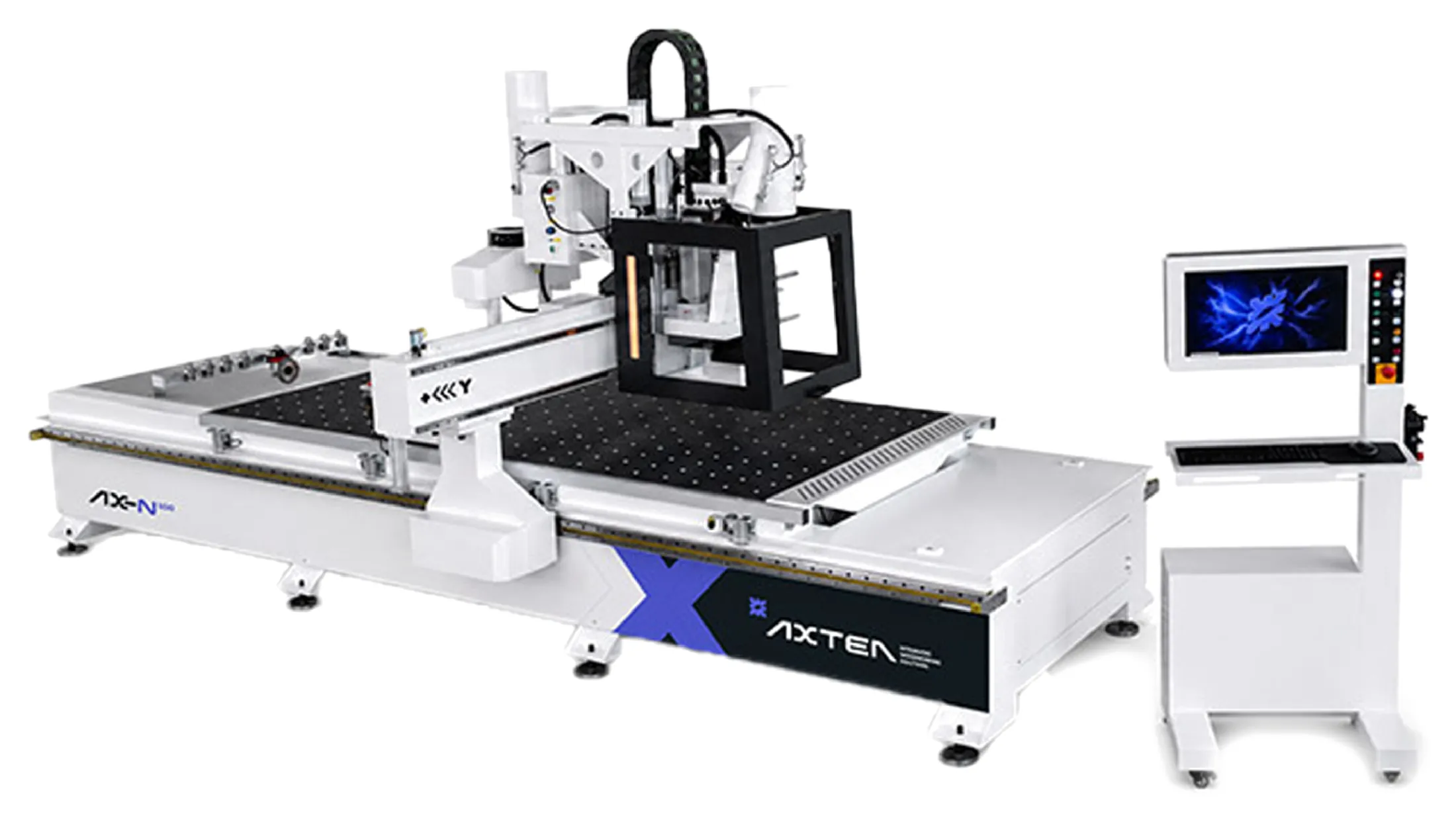
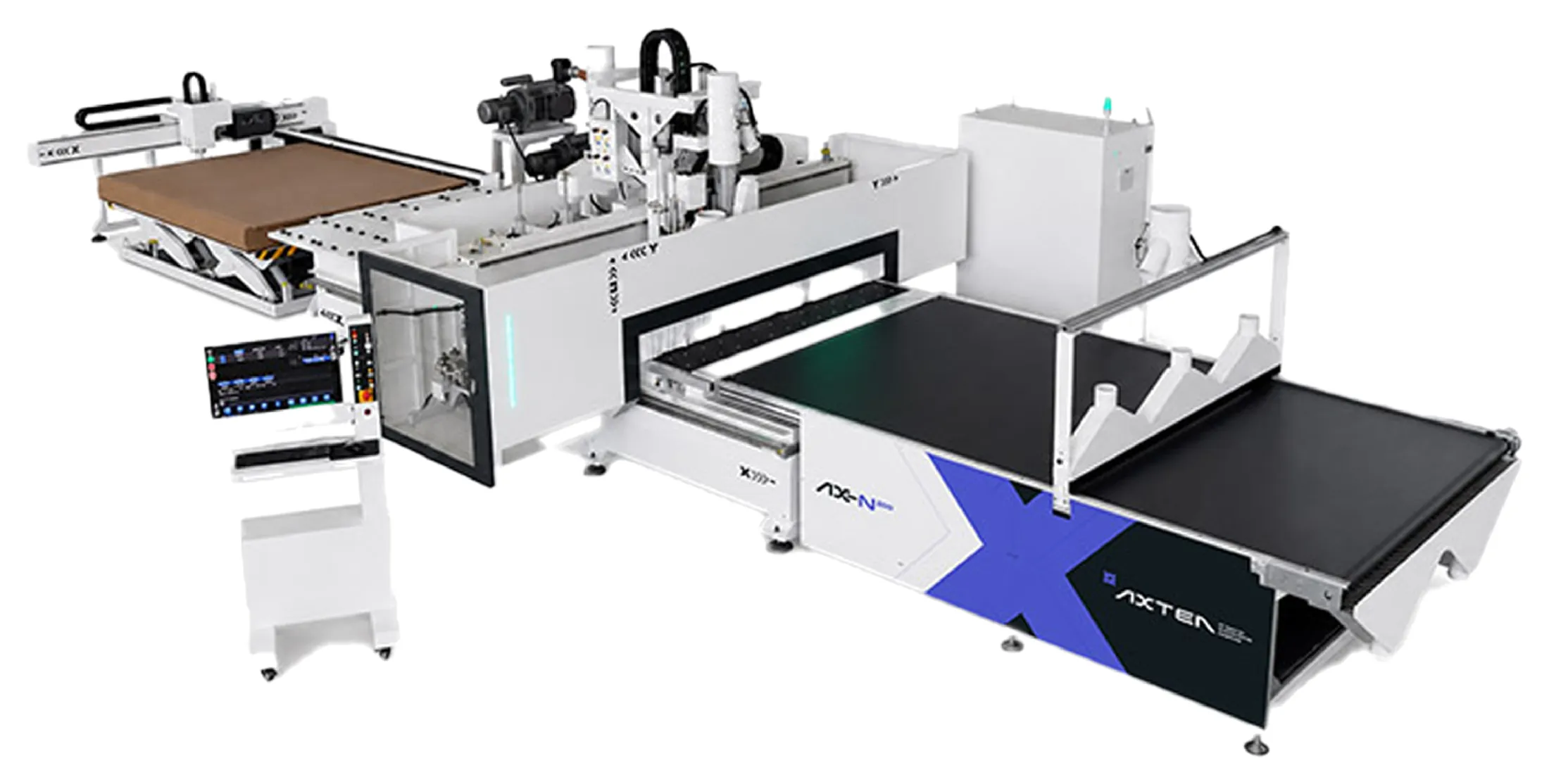
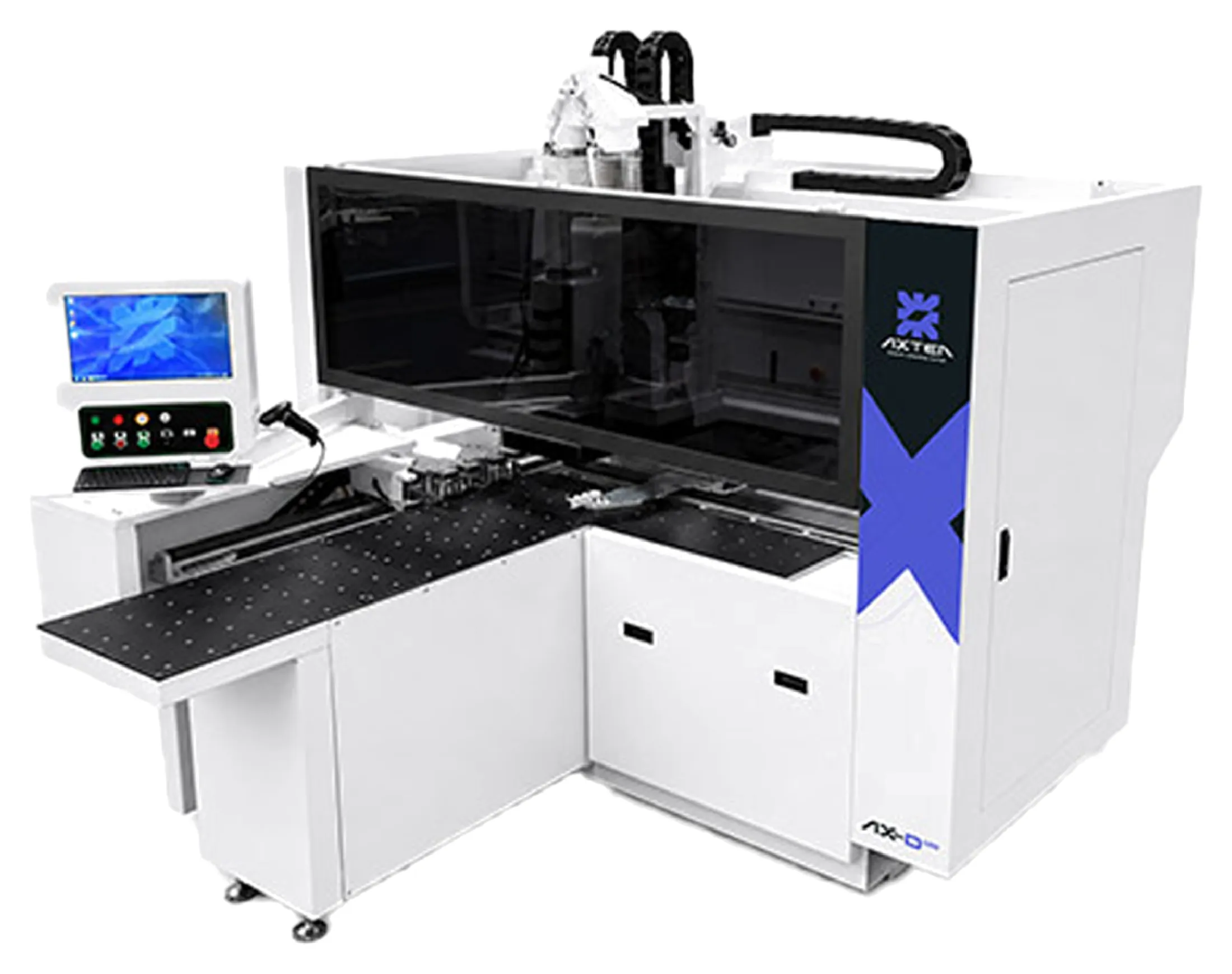
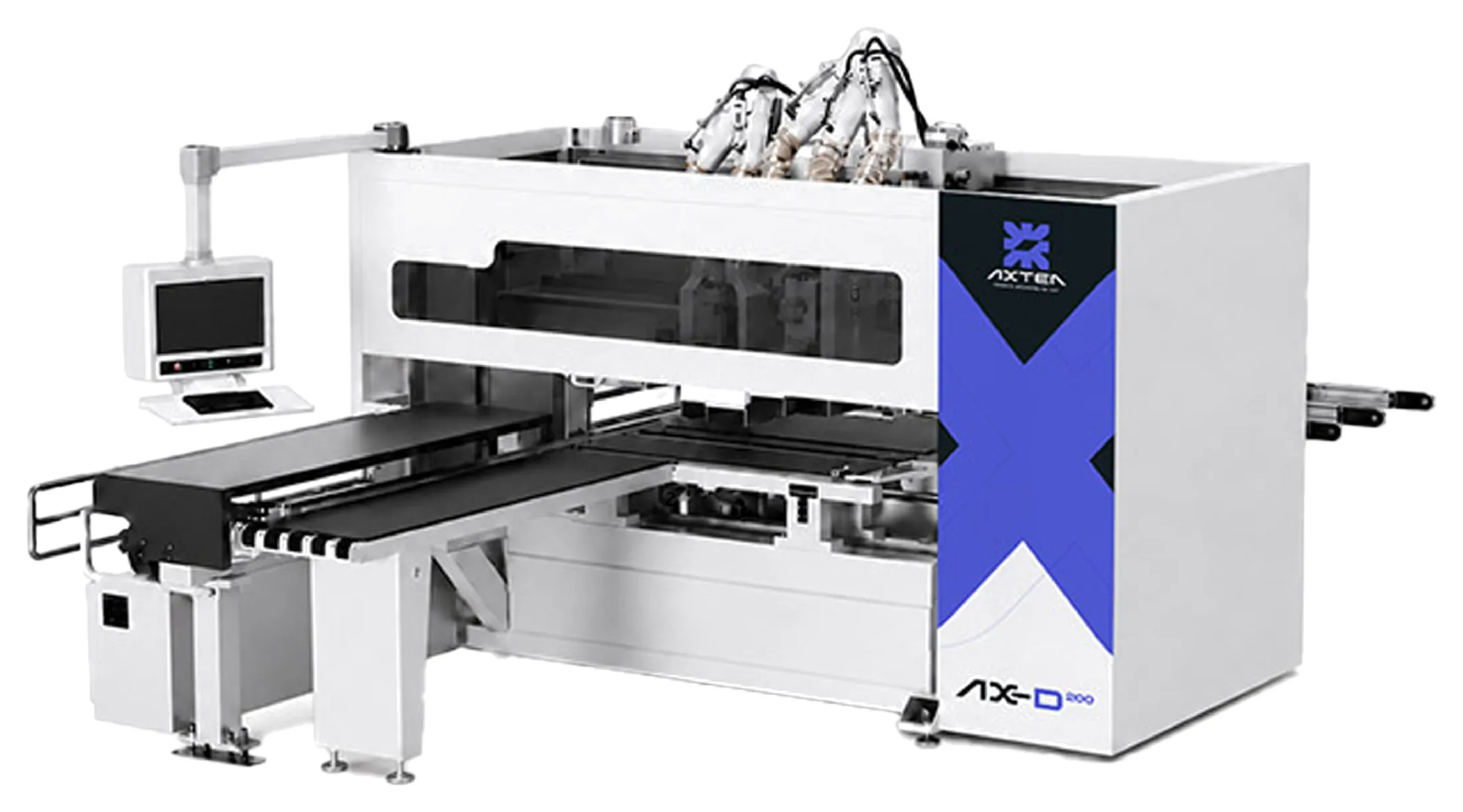
Machines for kitchen cabinet and cabinetry production: nesting CNC routers for made-to-measure parts, six-sided drilling for hinges and connectors, edge banding and beam saws.
Why is cabinetry well suited to CNC production?
Kitchen cabinets and built-in cabinetry are made from a limited set of part types, such as sides, bottoms, tops, backs, shelves, doors and drawer fronts, but in dimensions that change with almost every order. CNC machines turn these made-to-measure dimensions into parts directly from the design software, with the holes for hinges, drawer runners, connectors and shelf pins drilled in the right place every time.
A typical cabinet production flow
- Design: the kitchen or cabinet is designed in CAD/CAM software, which generates the cutting and drilling programs.
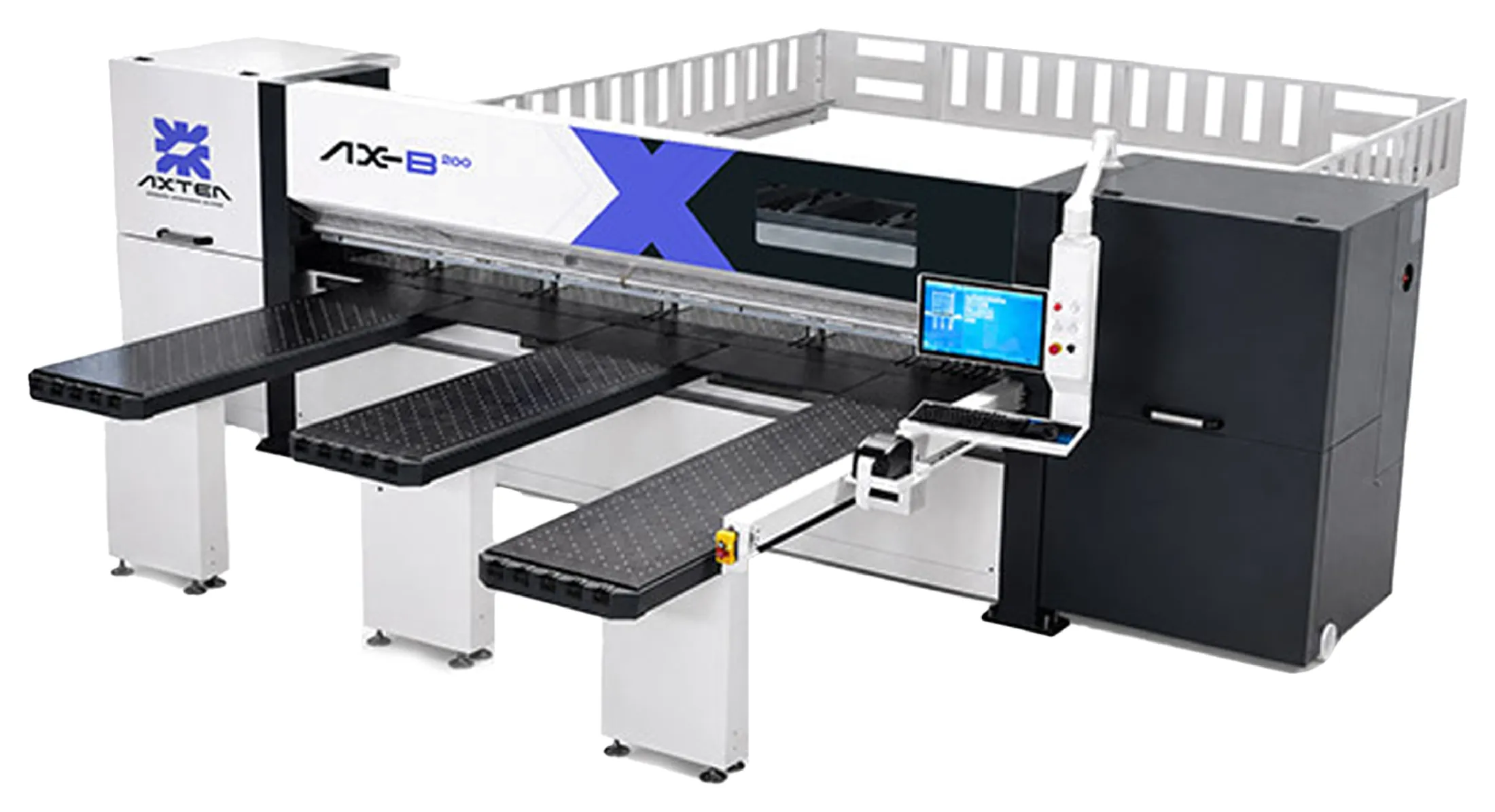
- Cutting: a nesting CNC router cuts all parts of an order from full sheets and drills vertical holes in the same program; for large volumes of standard carcass parts, a beam saw can do the sizing.
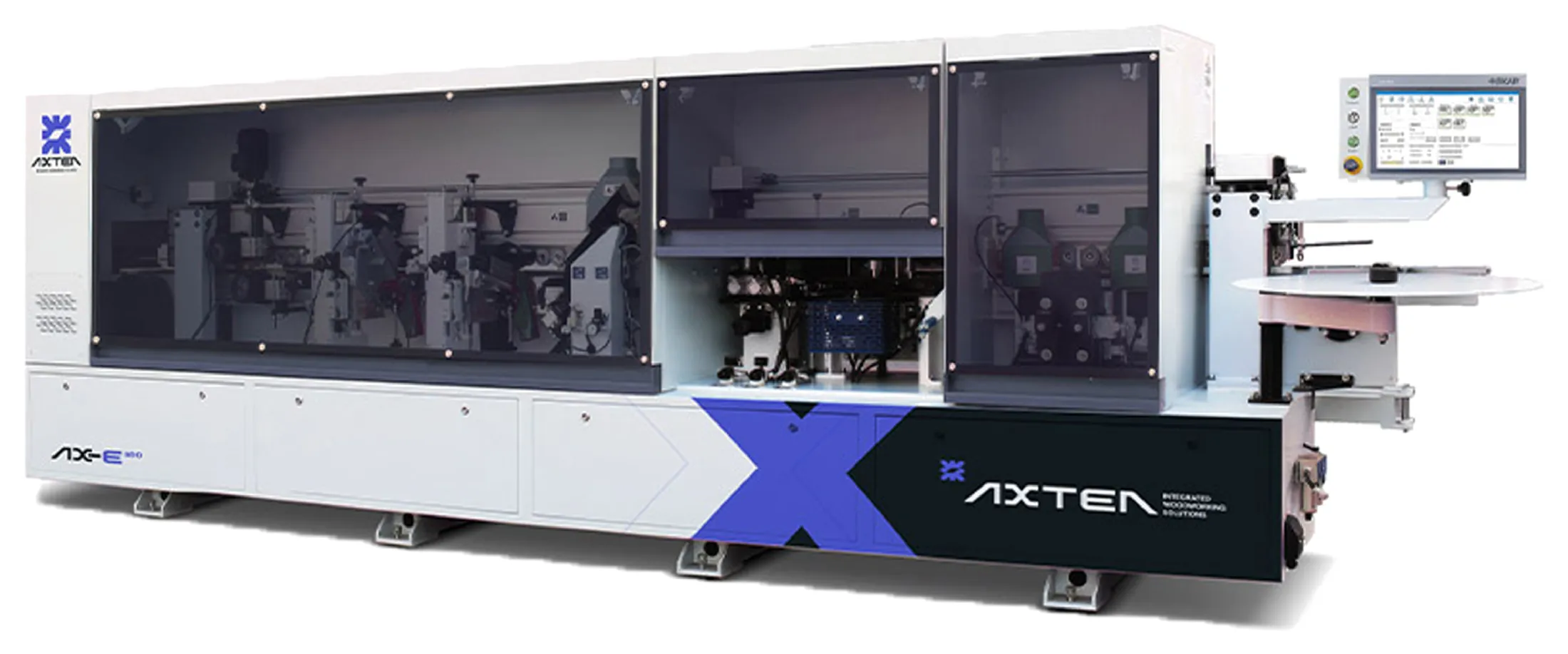
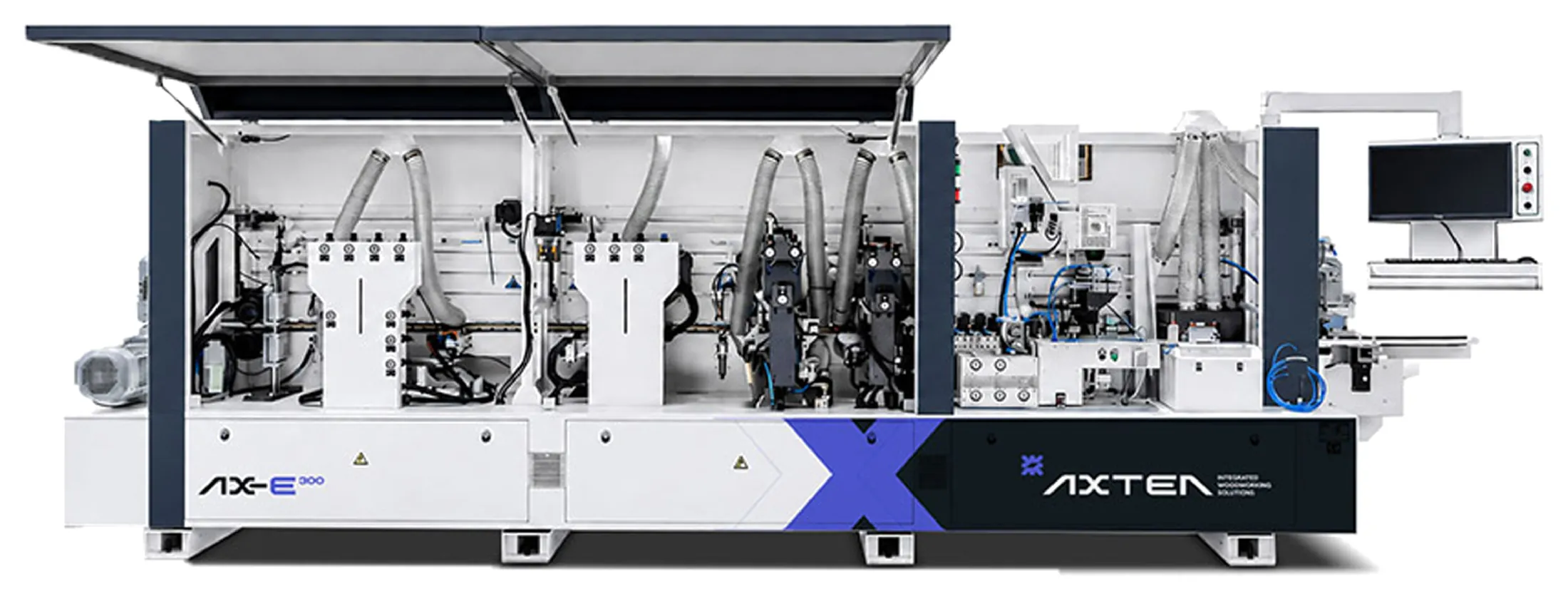
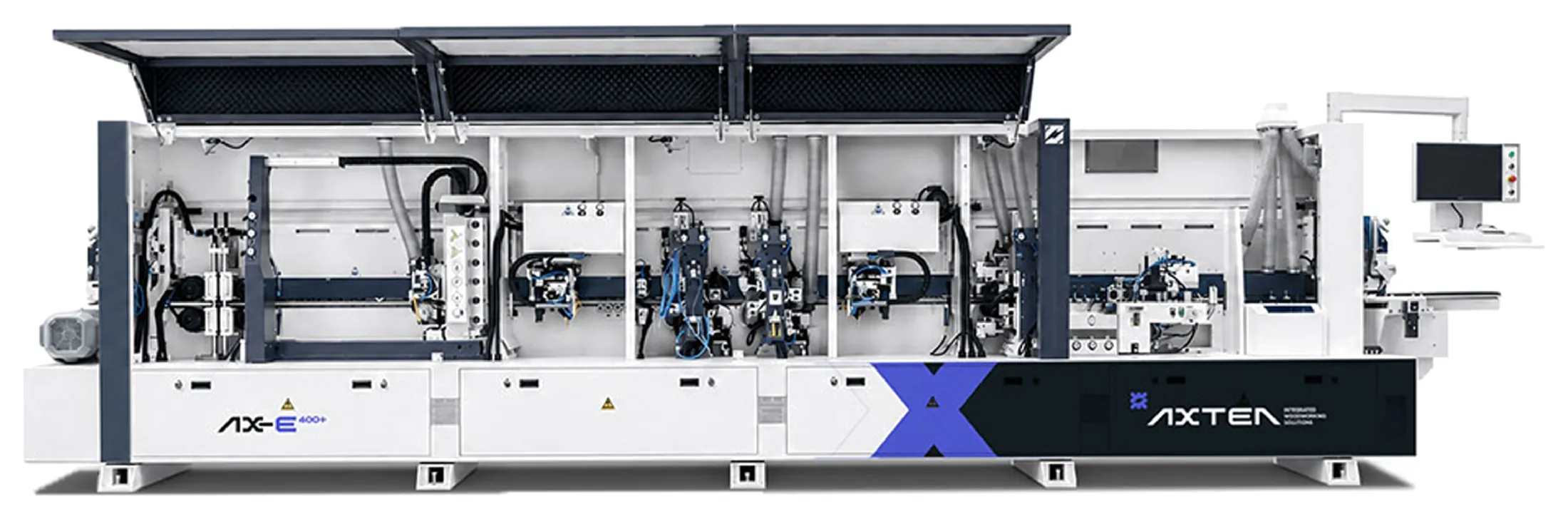
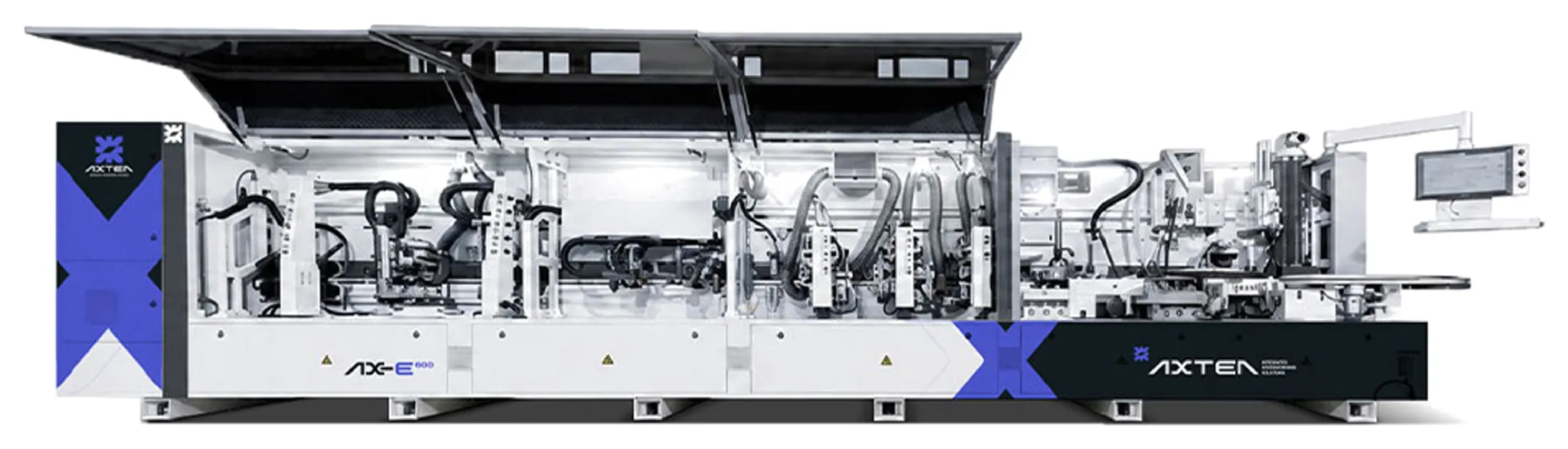
- Edge banding: visible edges of carcass parts, shelves and fronts are banded on an AX-E 300 or a compact AX-E 100/200.
- Drilling: a six-sided CNC drilling machine such as the AX-D 100 or AX-D 200 handles horizontal and vertical holes, including minifix boring and hinge holes; with the optional barcode reading system, each panel is recognised and processed automatically.
- Assembly and installation: parts assemble without rework because holes match across all components.
Which software works with AXTEA machines for cabinetry?
AXTEA machines work with CAD/CAM programs widely used in cabinetry, including Cabinet Vision, Mozaik, KCD, Alphacam, NC Hops and TopSolid. During training, AXTEA sets up and explains the post-processor your team will actually use, so programs go from design to machine without manual editing.
What should cabinet makers look for?
- Batch size one: the ability to produce a single kitchen efficiently, not only large series.
- Hole accuracy: hinge and drawer runner holes must align on every part.
- Edge finish: fronts and visible edges need clean trimming, scraping and corner rounding.
- Part identification: barcodes or labels keep parts of each order together through edge banding and drilling.
Read our guide on how to choose a CNC router for panel production for a step-by-step checklist.
Frequently asked questions
What is the best machine for a small kitchen cabinet shop?
A nesting CNC router with a drilling unit is often the first machine a cabinet shop automates, because it cuts and drills all parts of an order in one setup. A compact edge banding machine completes the core setup.
Can AXTEA machines read barcodes for cabinet parts?
Yes. The AX-D 100 and AX-D 200 six-sided drilling machines offer an optional barcode reading system that recognises each panel and completes all operations in one cycle.
Do AXTEA machines work with Cabinet Vision and Mozaik?
Yes. AXTEA machines work with Cabinet Vision, Mozaik, KCD, Alphacam, NC Hops and TopSolid, and the post-processor setup is covered in training.